Insulin Resistance & Menopause: Why You’re Eating Less but Not Losing Weight
If you’re in perimenopause or menopause and feel like you’re doing everything right — eating less, moving more, cutting sugar — yet the scale won’t budge, you’re not alone.
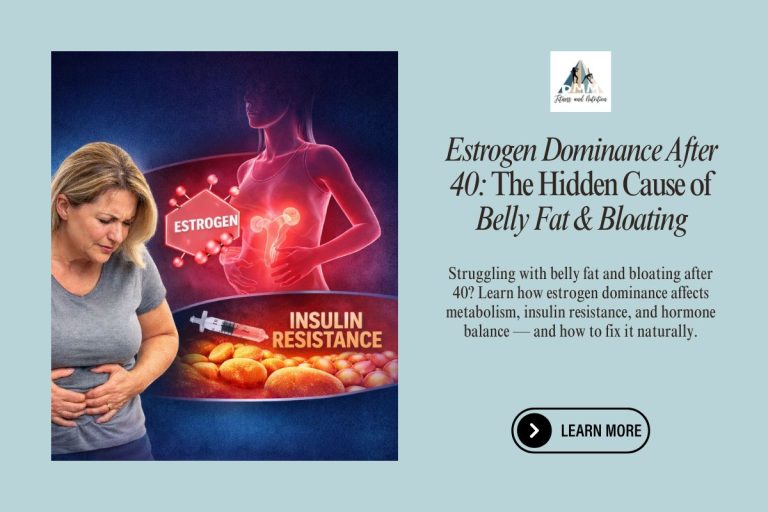
This frustrating pattern is often linked to insulin resistance, one of the most overlooked metabolic changes that happens to women after 40.
And here’s the truth most women aren’t told:
Weight loss during menopause is not about willpower — it’s about hormone balance.
What Is Insulin Resistance (In Simple Terms)?
Insulin is the hormone that helps move glucose (sugar) from your bloodstream into your cells for energy.
When you become insulin resistant, your cells stop responding efficiently. Your body then produces more insulin to compensate.
High insulin levels lead to:
- Increased fat storage (especially around the belly)
- Blood sugar crashes and cravings
- Fatigue and brain fog
- Difficulty losing weight — even in a calorie deficit
In other words, your body becomes stuck in fat-storage mode.
Why Insulin Resistance Increases During Menopause
Menopause creates the perfect storm for insulin resistance.
1. Estrogen Decline
Estrogen helps regulate blood sugar and insulin sensitivity. As estrogen drops:
- Blood sugar becomes less stable
- Fat storage increases
- Muscle mass declines (lower metabolism)
2. Loss of Muscle Mass
After 40, women naturally lose muscle unless actively strength training. Less muscle means:
- Lower insulin sensitivity
- Slower glucose uptake
- Easier fat gain
This is why Why Strength Training Is Essential for Women During Perimenopause & Beyond is such a critical part of metabolic health after 40.
3. Chronic Stress & Cortisol
Stress raises cortisol, which directly increases insulin and blood sugar. This creates:
- Stubborn belly fat
- Constant cravings
- Metabolic slowdown
Chronic stress plays a major role in menopause weight gain, as explained in Cortisol & Menopause: How Chronic Stress Blocks Fat Loss and why nervous system regulation is so important in Why Your Nervous System Is the Missing Link in Menopause Weight Loss.
4. Over-Restricting Calories
Ironically, eating too little:
- Raises cortisol
- Slows metabolism
- Worsens insulin resistance
This often leads to long-term plateaus, as discussed in Breaking Through Fitness Plateaus: What to Do When Progress Stalls.
Signs You May Have Insulin Resistance
Many women have it without realizing.
Common signs include:
- Belly fat that won’t respond to dieting
- Strong sugar or carb cravings
- Energy crashes after meals
- Feeling shaky or irritable if you skip meals
- Fatigue despite “clean eating”
- Weight gain mainly in the midsection
Why Traditional Diets Stop Working After 40
Low-calorie diets and excessive cardio may have worked in your 20s and 30s — but during menopause they often backfire.
They:
- Raise cortisol
- Reduce muscle mass
- Increase insulin resistance
- Teach your body to conserve fat
This is why many women feel stuck in constant burnout cycles, as explained in The January Trap: Why Extreme Fitness Plans Fail Women in Menopause.
How to Reverse Insulin Resistance During Menopause
The solution isn’t restriction.
It’s metabolic repair.
1. Strength Training Is Non-Negotiable
Building muscle is one of the fastest ways to improve insulin sensitivity.
Strength training:
- Improves glucose uptake
- Increases resting metabolism
- Reduces visceral fat
- Supports hormone balance
Learn more about why this works in Strength vs Cardio: What’s Best for Women Over 35.
2. Eat to Stabilize Blood Sugar
Not eat less — eat smarter.
This means:
- Protein at every meal
- Fiber-rich carbohydrates
- Healthy fats
- Balanced meals (not constant snacking)
For deeper blood sugar support, read Blood Sugar Balance for Women Over 40.
3. Reduce Cortisol First
Fat loss will not happen in a stressed nervous system.
This includes:
- Prioritizing sleep
- Walking over extreme cardio
- Recovery days
- Breathwork and nervous system regulation
Practical tools can be found in How to Get Out of Fight or Flight: 7 Nervous System Reset Practices for Women Over 40.
4. Train Smarter, Not Harder
High-intensity workouts every day can increase insulin resistance in menopausal women.
Instead:
- 3–4 days of strength training
- Low-impact movement
- Mobility and recovery sessions
Why recovery matters more after 35 is explained in Why Recovery Matters More After 35.
The Real Reason You’re Not Losing Weight
It’s not:
- Your age
- Your discipline
- Your motivation
It’s your hormonal metabolism.
Until insulin, cortisol, and muscle mass are addressed together, fat loss will always feel like a losing battle.
The DMM Fitness and Nutrition Approach
At DMM Fitness and Nutrition, the focus isn’t just on workouts — it’s on root-cause wellness.
Through:
Women learn how to:
- Rebuild metabolic health
- Balance hormones naturally
- Lose fat without starving
- Create sustainable results after 40
Frequently Asked Questions
What is insulin resistance during menopause?
Insulin resistance happens when your cells stop responding efficiently to insulin. Your body then produces more insulin to keep blood sugar stable, which can increase fat storage, cravings, and difficulty losing weight.
Why does insulin resistance get worse after 40?
Several factors can contribute, including:
- estrogen decline
- loss of muscle mass
- chronic stress
- poor sleep
- reduced activity
- years of dieting or under-eating
- blood sugar instability
Can menopause cause belly fat even if I eat healthy?
Yes. Hormonal shifts can change how your body stores fat, especially around the midsection. Even healthy eating may not be enough if insulin resistance, cortisol, and muscle loss are not addressed.
Why am I eating less but not losing weight?
Eating less does not always equal better fat loss. Under-eating can slow metabolism, raise stress hormones, reduce muscle mass, and make insulin resistance worse.
What are signs of insulin resistance in women over 40?
Common signs include:
- stubborn belly fat
- carb or sugar cravings
- fatigue after meals
- afternoon crashes
- brain fog
- irritability when hungry
- difficulty losing weight
- weight gain around the waist
Can strength training improve insulin resistance?
Absolutely. Strength training helps build muscle, improve glucose uptake, raise resting metabolism, and support hormone balance.
Is cardio enough to reverse insulin resistance?
Usually no. Walking and cardio can help, but building muscle through resistance training is one of the most effective tools for improving insulin sensitivity.
What foods help insulin resistance during menopause?
Most women benefit from:
- protein at each meal
- fiber-rich carbs
- vegetables
- healthy fats
- balanced meals
- fewer blood sugar spikes from processed foods
How long does it take to improve insulin resistance?
Many women notice better energy, cravings, and body composition within weeks when they combine training, nutrition, sleep, and stress management consistently.
Should I work with a coach or nutrition counselor?
If you feel stuck despite effort, personalized guidance can help identify the right strategy faster and avoid common mistakes.
Ready to Reset Your Metabolism?
If you’re eating less, training harder, and still not losing weight—it’s time for a smarter approach.
At DMM Fitness & Nutrition, Doris Martinez helps women over 40 improve insulin sensitivity, hormone balance, energy, and body composition with practical systems that work in real life.
Get support through:
- women’s fitness classes in Evans Georgia
- small group training in Evans Georgia
- virtual fitness trainer in Evans Georgia
- nutrition counselor in Evans Georgia
📞 Call: +1 (915) 740-8622
📧 Email: [email protected]
Your body isn’t broken. It just needs the right strategy.