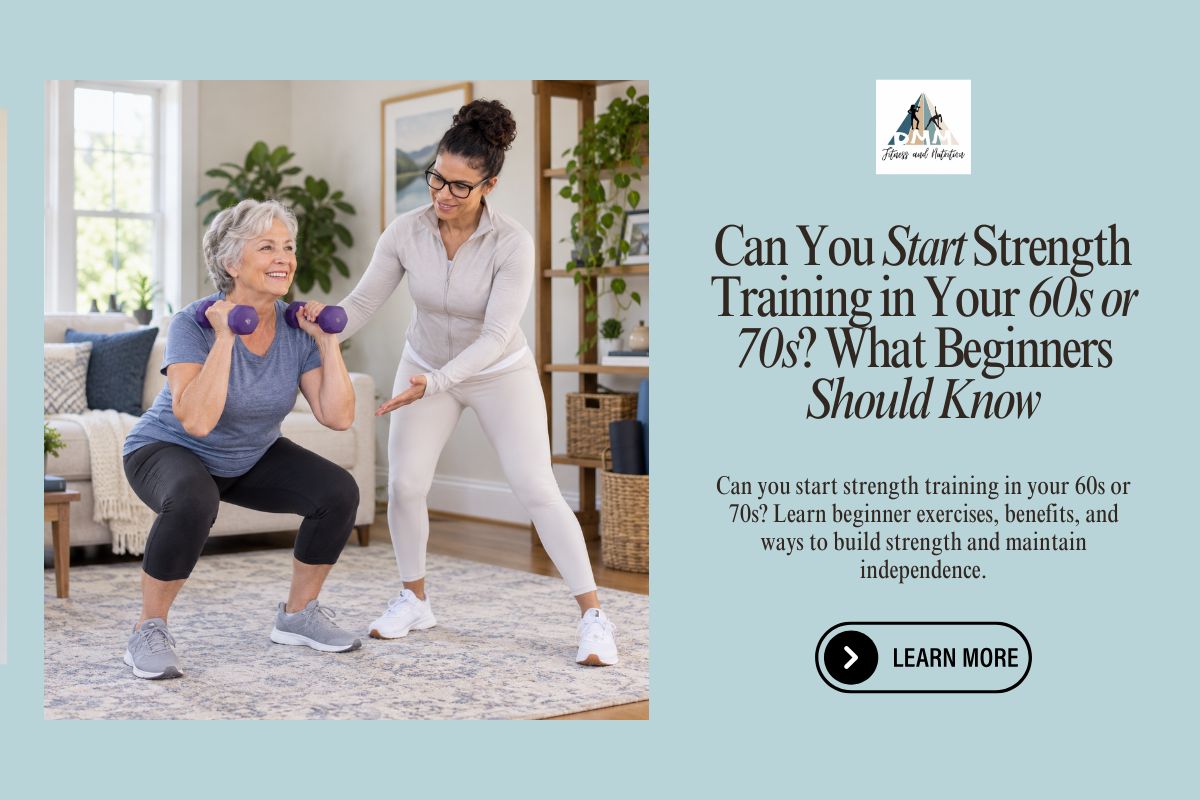
Can You Start Strength Training in Your 60s or 70s? What Beginners Should Know
There’s a common belief that strength training is something you need to start when you’re young. If you didn’t spend your 30s, 40s, or 50s lifting weights, you might assume you’ve missed your opportunity.
But here’s some good news: You can absolutely start strength training in your 60s, 70s, and even beyond.
You don’t need years of gym experience, expensive equipment, or the ability to lift heavy weights. What matters most is starting at a level that feels manageable and gradually building strength in a way that supports your everyday life.
For older adults in Evans and Augusta, GA, strength training can be one of the most valuable things you do to maintain independence, improve mobility, and feel more confident moving through your day.
And it’s never too late to begin.
Why Strength Training Matters More as We Age
As we get older, our bodies naturally change. One of those changes is the gradual loss of muscle mass and strength, a process known as sarcopenia.
This can begin earlier in adulthood and become more noticeable after age 60, especially when physical activity decreases.
You might notice yourself:
- Having more difficulty getting up from a low chair
- Feeling tired after carrying groceries
- Struggling with stairs that once felt easy
- Feeling less steady when walking
- Avoiding certain activities because they seem physically challenging
These changes can happen gradually, making them easy to dismiss as simply part of getting older.
But losing strength doesn’t mean you’re powerless to improve it.
Regular resistance training helps your muscles adapt, even later in life. Older adults can improve muscular strength and physical function through appropriately designed strength-training programs.
At DMM Fitness & Nutrition, the focus is on helping people build healthier habits through practical exercise, personalized guidance, and sustainable lifestyle changes.
And those small changes can make a meaningful difference in everyday life.
What Are the Benefits of Strength Training After 60?
Strength training isn’t just about building muscle. It’s about making everyday movement easier and maintaining the freedom to do the things you enjoy.
1. Better Balance and Stability
Strong legs, hips, and core muscles help support your body during everyday movements.
When combined with appropriate balance exercises, strength training can improve stability and help reduce the risk of falls.
Whether you’re walking through your neighborhood, stepping off a curb, or moving around your home, feeling steady on your feet makes a difference.
2. Greater Independence
Think about how often you use your muscles throughout the day.
Standing up from a chair, lifting laundry, carrying shopping bags, gardening, and getting in and out of a car all require strength.
Building and maintaining muscle can make these activities easier.
For many older adults, that’s the real goal of exercise: staying independent for as long as possible.
3. Stronger Bones
Strength training places controlled stress on your muscles and bones, which helps support bone health.
This becomes particularly important as we age because bone density often decreases over time.
Resistance exercises, combined with appropriate weight-bearing movement, can play an important role in maintaining skeletal strength.
4. Improved Energy and Confidence
When everyday activities require less effort, you may feel more comfortable staying active.
Perhaps you’ll feel confident taking longer walks, joining family activities, traveling, or spending more time outdoors.
Strength training can also provide a sense of accomplishment. Something as simple as completing an additional repetition or standing up more easily can feel like a major victory.
And those small victories add up.
Is 70 Too Old to Start Lifting Weights?
Not at all.
Your muscles retain the ability to respond to resistance training well into older adulthood.
The key is understanding that lifting weights doesn’t necessarily mean picking up heavy dumbbells or using complicated gym machines.
For someone just starting out at 70, resistance training might include:
- Standing up from a sturdy chair several times
- Performing wall push-ups
- Using a light resistance band
- Lifting small dumbbells
- Practicing controlled standing movements while holding a stable support
These exercises might seem simple, but they can provide a useful starting point.
As your strength improves, the difficulty can gradually increase.
The goal isn’t to compete with someone half your age. It’s to become stronger and more capable in your own daily life.
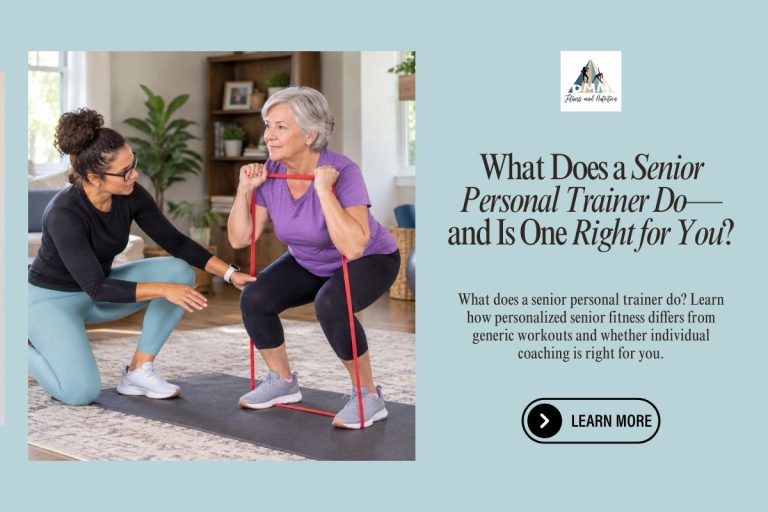
For anyone who wants a more individualized approach, senior personal training for older adults can provide a structured way to improve strength, balance, and mobility at a comfortable pace.
How Should Beginners Start Strength Training After 60?
If you’ve never followed a strength-training routine, there’s no need to rush.
Starting slowly is one of the smartest approaches you can take.
Start With Two Days Per Week
For many beginners, two nonconsecutive strength-training sessions per week provide a practical starting point.
This gives your muscles time to recover between workouts while helping you establish a consistent routine.
You don’t need to exercise for an hour every day to begin making progress.
Focus on Everyday Movements
The best beginner exercises often resemble activities you already perform.
Chair stands: Help strengthen the legs for getting up from chairs and couches.
Wall push-ups: Build upper-body strength without requiring you to get down on the floor.
Resistance-band rows: Strengthen muscles in the upper back that help support posture.
Supported heel raises: Build calf strength used in walking and standing.
Light carrying exercises: Help develop the strength needed to manage everyday items.
Each exercise should match your current abilities, comfort, and balance.
Use Light Resistance First
You don’t need heavy weights to make progress.
A light dumbbell, resistance band, or your own body weight can be enough when you’re beginning.
Start with movements you can perform using good control. The last few repetitions should feel somewhat challenging, but your form shouldn’t break down.
As exercises become easier, you can gradually increase resistance or repetitions.
Make Recovery Part of Your Routine
Recovery becomes particularly important when introducing unfamiliar physical activity.
Allow time between strength-training sessions, stay hydrated, eat balanced meals, and get adequate sleep.
Muscles need both movement and recovery to adapt.
And remember, progress doesn’t require finishing every workout feeling exhausted.
What If You Have Arthritis, Stiffness, or Limited Mobility?
This is one of the most common concerns older adults have about exercise.
Maybe your knees feel stiff in the morning. Perhaps your shoulders don’t move as freely as they once did. Or maybe you’ve spent years avoiding exercise because you’re unsure where to begin.
The good news is that strength training can often be adapted to accommodate these limitations.
For example, someone who finds standing exercises difficult might begin with seated movements. Someone uncomfortable with traditional squats could practice standing from a higher chair.
The important thing is choosing movements that fit your current abilities rather than forcing your body into exercises that aren’t appropriate.
A personalized approach can make strength training feel much more approachable.
Do You Need to Join a Gym?
Absolutely not.
Many older adults prefer to exercise at home, where they feel comfortable and don’t have to navigate unfamiliar gym equipment.
You can build an effective beginner routine using basic equipment and a small amount of space.
Working with a personal trainer can also help remove the uncertainty of getting started.
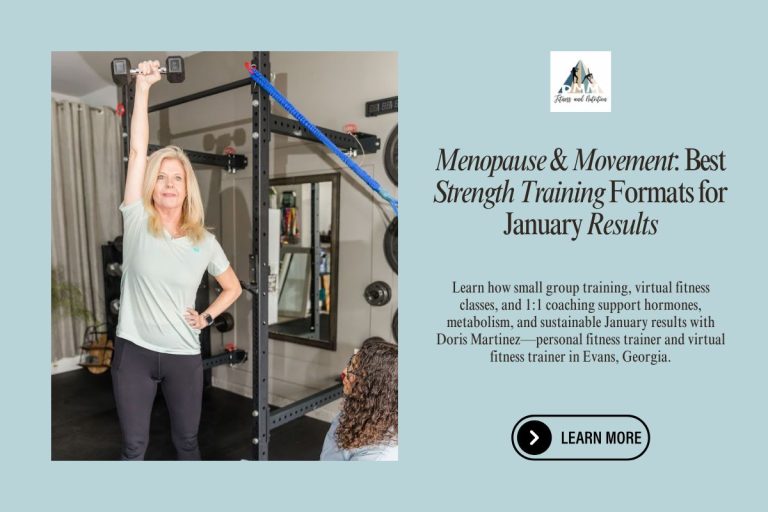
At DMM Fitness & Nutrition, Doris Martinez provides personalized fitness guidance for clients in Evans and Augusta, GA. For private one-on-one training, Doris can travel to the client’s location, making it more convenient to receive individualized support.
Through one-on-one personal training, workouts can be adapted to your experience level, physical abilities, and personal goals.
Whether you’re beginning at 60, 70, or older, having someone guide your progress can make the experience more comfortable and encouraging.
Nutrition Matters, Too
Exercise is only part of the picture when it comes to maintaining strength as you age.
Your muscles also need proper nutrition to support recovery and function.
Protein is particularly important because it provides the building blocks needed for muscle maintenance and repair.
Foods such as eggs, fish, poultry, beans, Greek yogurt, and other protein-rich options can contribute to a balanced eating plan.
Staying hydrated and eating a variety of nutrient-rich foods also supports your overall wellness.
As both a personal trainer and functional nutrition counselor, Doris Martinez understands the importance of looking at physical activity and nutrition together when supporting healthy aging.
DMM also offers functional nutrition counseling in Evans, Georgia, helping clients develop sustainable eating and wellness habits based on their individual needs.
Building strength isn’t about one workout or one perfect meal. It’s about developing habits you can maintain.
How Long Does It Take to Notice Results?
Everyone progresses at a different pace.
Some beginners notice that exercises feel easier within a few weeks. Others begin recognizing changes in their everyday routines after several weeks or months of consistent training.
You might notice that you’re:
- Getting up from a chair with less effort
- Carrying groceries more comfortably
- Walking with greater confidence
- Completing more repetitions than when you started
- Feeling more capable during daily activities
Not every improvement will show up on a scale or in a mirror.
Sometimes the most meaningful progress is realizing that something you used to struggle with has become easier.
And that’s something worth celebrating.
Frequently Asked Questions About Strength Training After 60
Can a 65-year-old beginner build muscle?
Yes. Adults in their 60s can build muscle and improve strength through regular resistance training. Progress depends on factors such as consistency, exercise selection, recovery, and nutrition.
Is strength training safe for people in their 70s?
Strength training can be appropriate for people in their 70s when exercises are selected and adapted to their physical abilities. Beginners benefit from starting with manageable resistance and gradually increasing difficulty.
Are resistance bands better than dumbbells for seniors?
Both can be effective. Resistance bands are lightweight and versatile, while dumbbells provide an easy way to adjust the amount of weight lifted. The better choice depends on the person’s abilities, goals, and comfort.
How often should seniors strength train?
Most older adults can aim for muscle-strengthening activities at least two days per week, working the major muscle groups. Beginners can start with shorter sessions and build up gradually.
Can you get stronger without going to a gym?
Yes. Bodyweight exercises, resistance bands, and light dumbbells can all be used for home strength-training workouts.
It’s Never Too Late to Become Stronger
Starting strength training in your 60s or 70s isn’t about turning back the clock.
It’s about making the years ahead more active, comfortable, and fulfilling.
Whether your goal is to walk more confidently, get up from a chair more easily, maintain independence, or simply feel stronger, every step forward matters.
You don’t have to start with complicated routines or heavy weights.
You just have to start where you are.
And with consistency, patience, and the right support, you may be surprised by what your body can accomplish.
Ready to Start Strength Training in Evans or Augusta, GA?
At DMM Fitness & Nutrition, Doris Martinez helps older adults take a personalized approach to building strength, improving mobility, and supporting long-term wellness.
With private one-on-one training available at your location, getting started can be convenient and comfortable.
Whether you’re completely new to exercise or looking to rebuild strength after years of inactivity, DMM can help you take that first step.
Your age doesn’t determine your potential to become stronger. Your next step does.
Contact DMM Fitness & Nutrition today to learn more about personalized strength training in Evans and Augusta, GA, and start working toward a stronger, more confident you.